guide
Choosing between honey varieties by taste, not by label
A short, practical way to think about flavor, texture and everyday use when a menu of unfamiliar honey names feels harder to compare than it should be.
October 1, 2026 · 4 min read
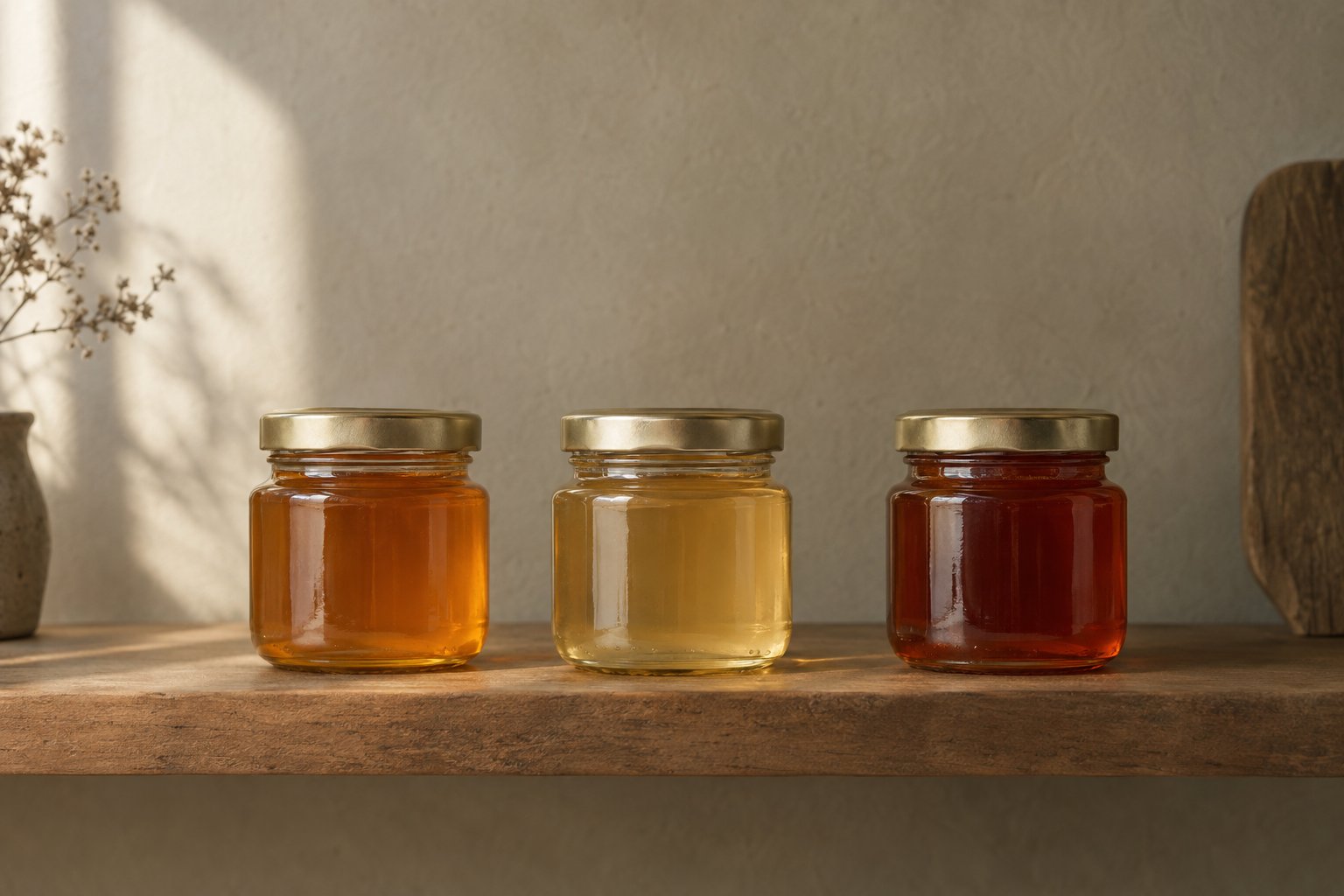
Honey names usually describe the main flower bees were working when a batch was collected — sidr, thyme, orange blossom, and so on. None of those names are a grade or a ranking; they're closer to a wine varietal than a quality score. The most useful question isn't "which is best", it's "which matches how I'll use it".
A simple way to compare
- Color is a rough guide to intensity: paler honeys tend to be milder, darker ones tend to be stronger and more mineral.
- Texture changes over time for every honey through crystallization — it isn't a sign of quality on its own (see our crystallization article).
- Think about where it's going: tea, baking, a cheese board, or straight off the spoon all suit different profiles.
If you like a clean, floral cup of tea, a lighter honey tends to disappear into the background rather than compete with it. If you want honey to be the main event — on bread, or by the spoon — a deeper, more assertive variety tends to hold its own better.
Once real batches are available, we'll add the specific harvest period and any texture notes for that batch to its product card, rather than relying on generic descriptions like the ones in this article.
Curious about our Wild thyme honey?
Sending a request starts a conversation, not a checkout — we'll confirm availability, price and delivery with you directly.
Related reading
Guide
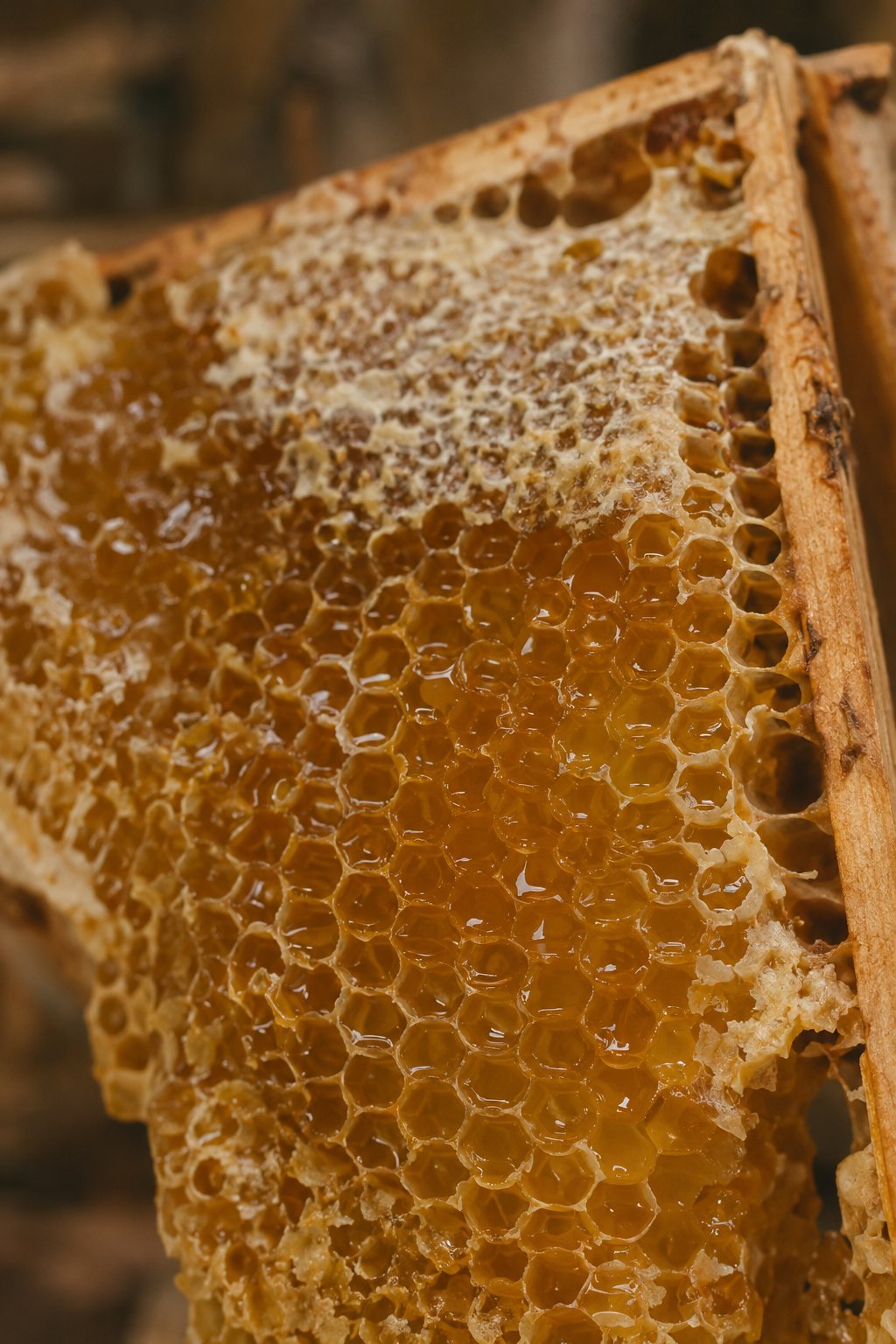
What "raw" actually means — and what we won't claim until we can prove it
"Raw" gets used loosely in honey marketing. Here is the plain, checkable meaning we intend to hold ourselves to.
September 2026 · 3 min read
Recipe
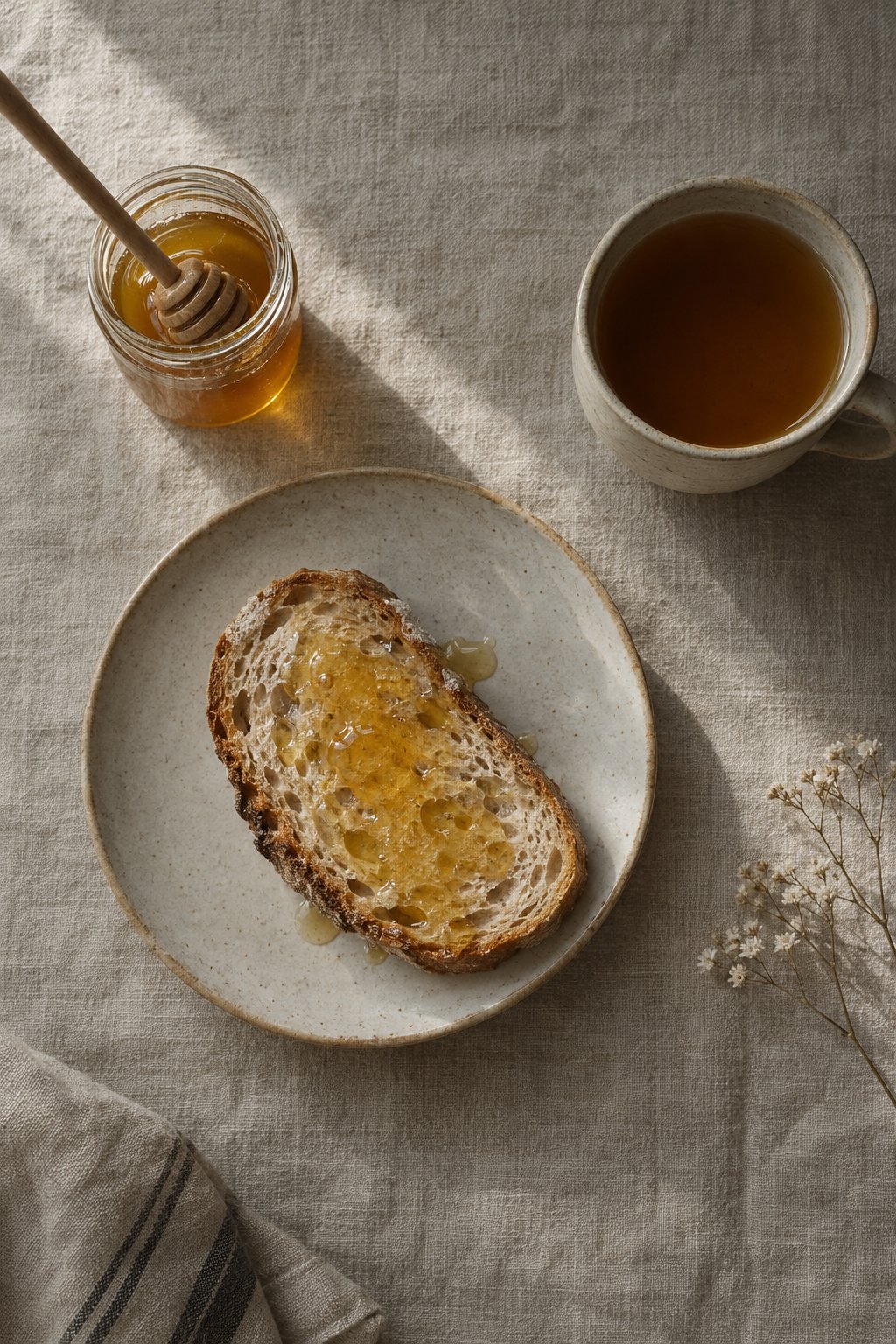
Everyday ways to use honey beyond the breakfast table
A short list of ordinary, low-effort ways to use honey in cooking and drinks, without recipe cards that overpromise.
October 2026 · 3 min read